New to F1? Not sure where to start? This guide covers everything you need to know about 22 drivers, 230 mph cars, and the sport that'll ruin your Sunday sleep schedule.
A few facts about Formula 1 that tend to make people's jaws drop. Let's start here.
Formula 1 is the highest class of international single-seater auto racing, sanctioned by the Fédération Internationale de l'Automobile (FIA). A field of 22 drivers representing 11 constructor teams competes across 22 Grands Prix on 5 continents, racing open-wheel cars capable of exceeding 230 mph.
F1 cars hit speeds faster than a commercial airplane at takeoff. The 2026 cars are projected to reach around 248 mph thanks to new active aerodynamics.
McLaren changed all 4 tyres in 1.80 seconds. That's less time than it takes to say "Formula One" out loud. Twenty people, each with one job, all moving at once.
Fighter pilots wear pressure suits for short bursts of 9G. F1 drivers endure 5–6G continuously for nearly two hours in a fireproof onesie. No G-suit.
Each car is a $12–15 million handmade machine with 14,500 individual components. The steering wheel alone costs up to $100,000 and has 25+ buttons.
Brake discs glow orange-white during night races. That's as hot as volcanic lava. They're made of carbon fiber because metal would simply melt.
Broadcast in 188+ countries. 22 races across five continents. 70 million viewers per race weekend. It's a lot of people waking up at weird hours.
Here's the thing about Formula 1: it sounds almost made up until you see it. Cars that go from 200 mph to 80 mph in two seconds. Drivers whose heart rates hit 200 bpm at the start and stay at marathon-runner levels for the entire race. Athletes who lose 8.8 lbs of body weight through sweat in a single race while the cockpit reaches 140°F.
Each car generates 1.5 terabytes of data per weekend from 300+ sensors. Each team brings its own weather station to every track. Drivers react in 100 milliseconds, less than half the time of a normal human. And the power units? 52% thermal efficiency, 1,000+ horsepower from just 1.6 liters. No production car engine comes close.
Oh, and there are only 11 teams, 22 drivers, and 22 races this season. That's it. F1 ran with ten teams for nearly a decade before Cadillac joined as the 11th this year, and the rules allow up to 12. Small enough to learn in a weekend, deep enough to obsess over for a lifetime.
Three days of practice, qualifying, and racing. Here's the breakdown.
Two 60-minute practice sessions (FP1 & FP2). Teams test car setups, run tyre experiments, and simulate qualifying and race conditions. Data collection is everything.
One final practice (FP3), then Qualifying: three knockout sessions (Q1, Q2, Q3) where lap times determine the starting order for Sunday's race. The fastest driver earns "pole position."
The main event. ~190 miles of racing, usually 50–70 laps. Strategy, pit stops, overtakes, drama. Five red lights go out and everything changes.
Qualifying is pure time-trial racing. Drivers get a handful of laps to set the fastest time they can. Three sessions, each eliminating the slowest drivers.
Pro tip: The final two minutes of Q3 are worth rearranging your Saturday for. Drivers set their "safety" lap early, then go all-out at the end when the track has more rubber and grip. You'll see lead changes in the final seconds as drivers cross the line. Screaming at your TV is encouraged.
Before the lights go out, every driver completes one slow lap of the circuit called the formation lap. The pole-sitter leads while everyone else holds their grid position. No overtaking allowed. It looks calm on the surface, but a lot is happening.
Watch out: If a car stalls or has a problem during the formation lap, that driver starts from the pit lane. It's a brutal disadvantage that can ruin a race before it even begins.
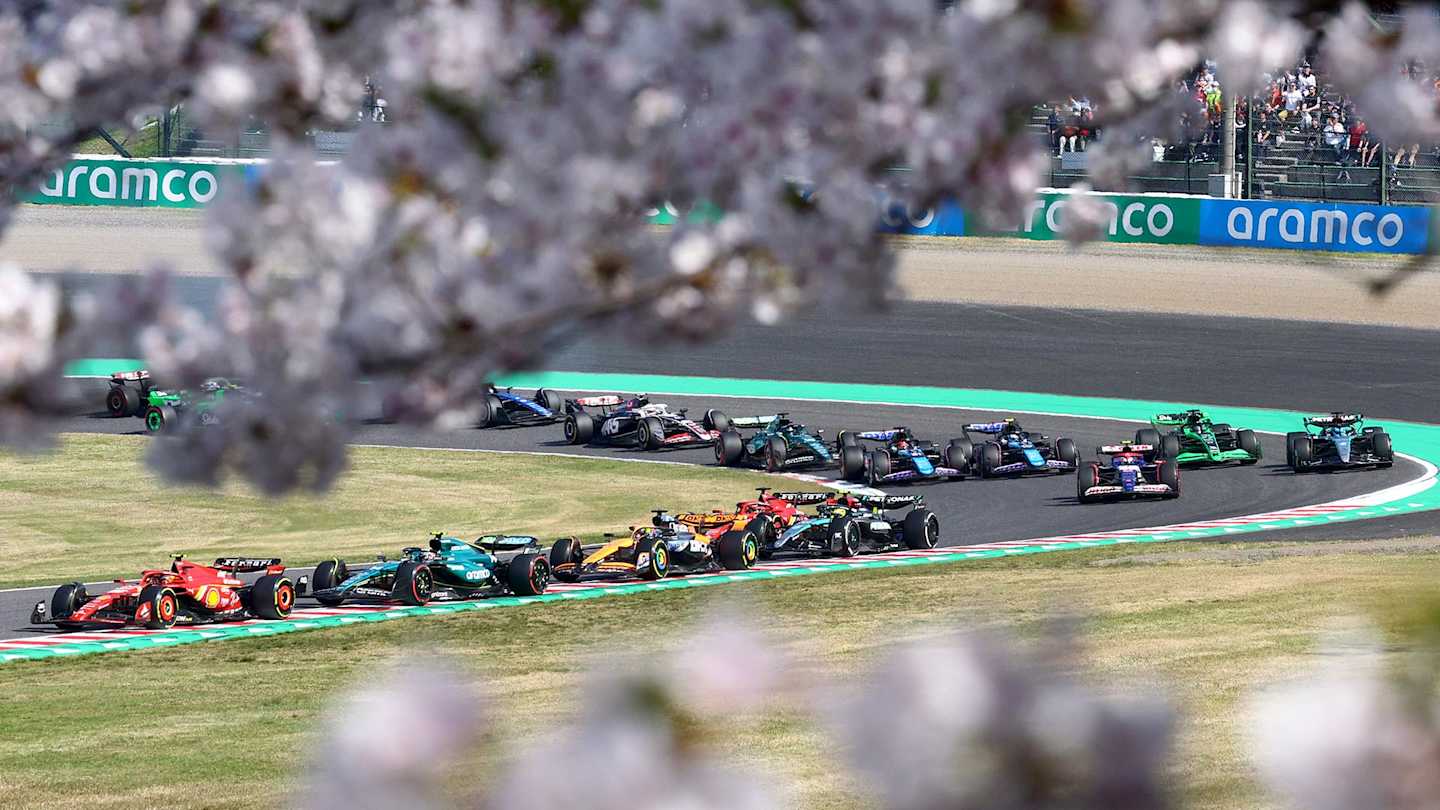
Once everyone is set on the grid, five red lights illuminate one by one... then all go out at once. That's the start. The delay before lights out is deliberately randomized so no one can anticipate it. Twenty-two cars converge on Turn 1 at 200+ mph. The first lap is chaos: positions change, wings break, and the race order can completely flip. After that, strategy takes over.
During the race, you'll hear live team radio between drivers and engineers. Frustration, celebration, arguments about strategy, all at 200 mph. It's like having a microphone inside an athlete's head during competition. No other sport does this.
Sprint Weekends: Six races in 2026 use a compressed format that reshuffles the usual schedule. Friday has just one practice session followed by Sprint Qualifying (which sets the grid for the Sprint). Saturday morning is the Sprint Race, a quick, no-pit-stop ~62 mile dash where the top 8 score extra championship points. Regular Qualifying follows in the afternoon to set the grid for Sunday's full Grand Prix.
When there's a crash or debris on track, a Safety Car leads the field at reduced speed while marshals clear the hazard. This bunches all the cars together, erasing any gaps, which can completely shake up the race. Teams scramble to decide whether to pit for tyres or stay out. Chaos often follows the restart.
A Virtual Safety Car (VSC) is used for less severe situations. Drivers slow down by ~30%, but the gaps between cars are maintained. Less dramatic but still strategic.
You'll hear these regularly during broadcasts:
The 12-point ban: Drivers accumulate penalty points for infractions over a rolling 12-month period. Hit 12 points and you're banned for a race. It keeps things in check.
Two championships run simultaneously: one for drivers, one for constructors (teams). Points make the world go round.
Points are awarded to the top 10 finishers in each Grand Prix. The driver and the team with the most points at the end of the season are World Champions. If a driver or team builds an unassailable mathematical lead before the final race, they clinch the title early.
| Position | Points | Notes |
|---|---|---|
| 1st | 25 | Winner |
| 2nd | 18 | Podium |
| 3rd | 15 | Podium |
| 4th | 12 | |
| 5th | 10 | |
| 6th | 8 | |
| 7th | 6 | |
| 8th | 4 | |
| 9th | 2 | |
| 10th | 1 | |
| 11th–22nd | 0 | No points |
The Constructors' Championship combines both drivers' points for each team. This is arguably more important than the Drivers' Championship because it determines how much prize money teams receive, which directly affects their budget for the next season. Win more → earn more → build a better car → win more.
Sprint points: The top 8 in Sprint Races earn bonus points (8–7–6–5–4–3–2–1). These count toward both championships, and across 6 sprint weekends, they can make a real difference in a tight title fight.
Every team designs and builds a new car each season. There are no off-the-shelf parts.
The car matters more than the driver in Formula 1. A brilliant driver in a slow car will struggle. A mediocre driver in the fastest car can win. It sounds unfair, but it's what makes the engineering battle so intense. The car is the product of a thousand engineers' work.
Different tracks demand different setups. Monza in Italy has incredibly long straights, so teams trim downforce for pure speed. Monaco is tight streets, so maximum downforce for cornering grip. Mexico City sits at high altitude where thin air reduces downforce naturally. Each car is a compromise, fine-tuned for every single race.
Teams update their cars throughout the season. A new front wing here, a reshaped floor there. Gaining even one-tenth of a second per lap might not sound like much, but over a 70-lap race, that's 7 seconds. Races are regularly won by less than that.
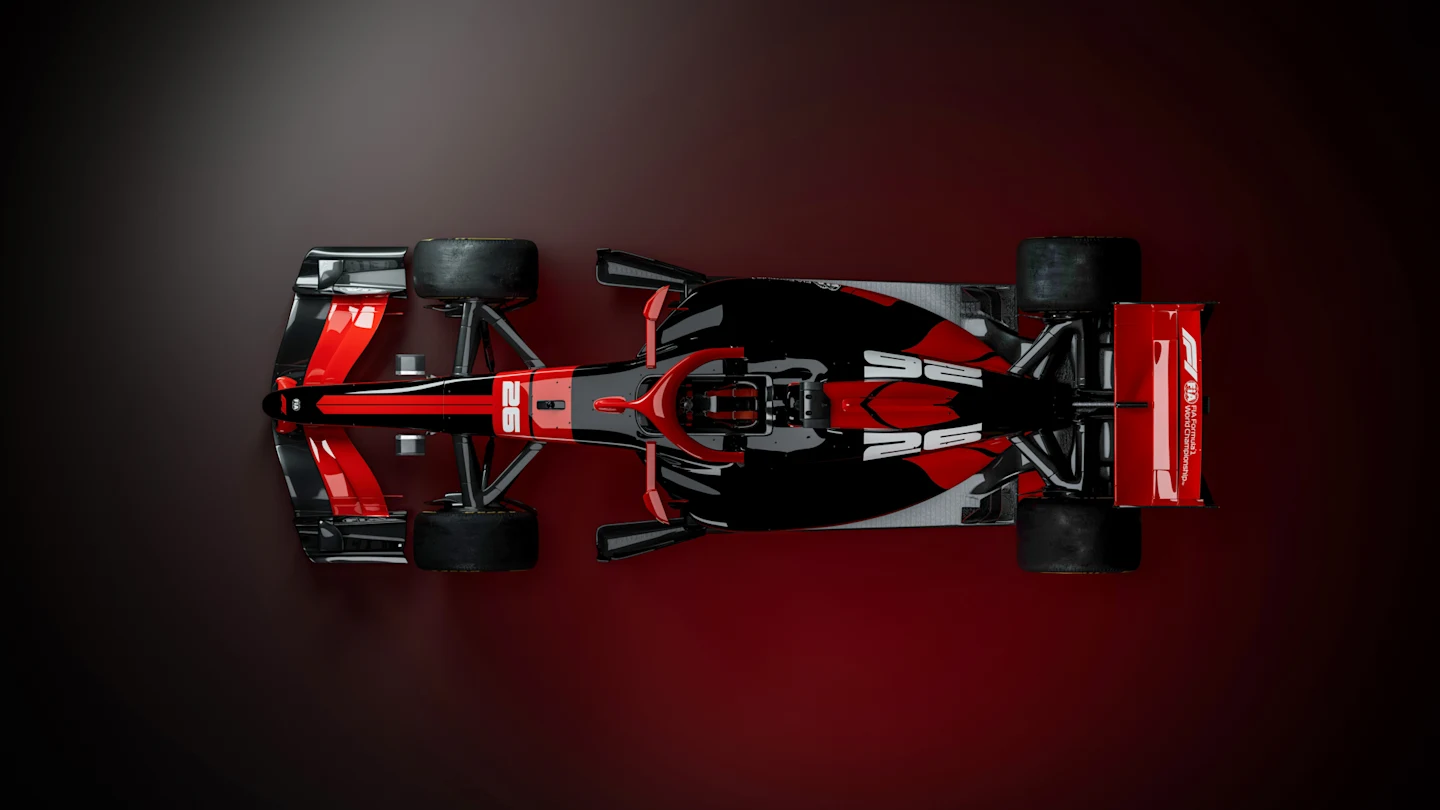
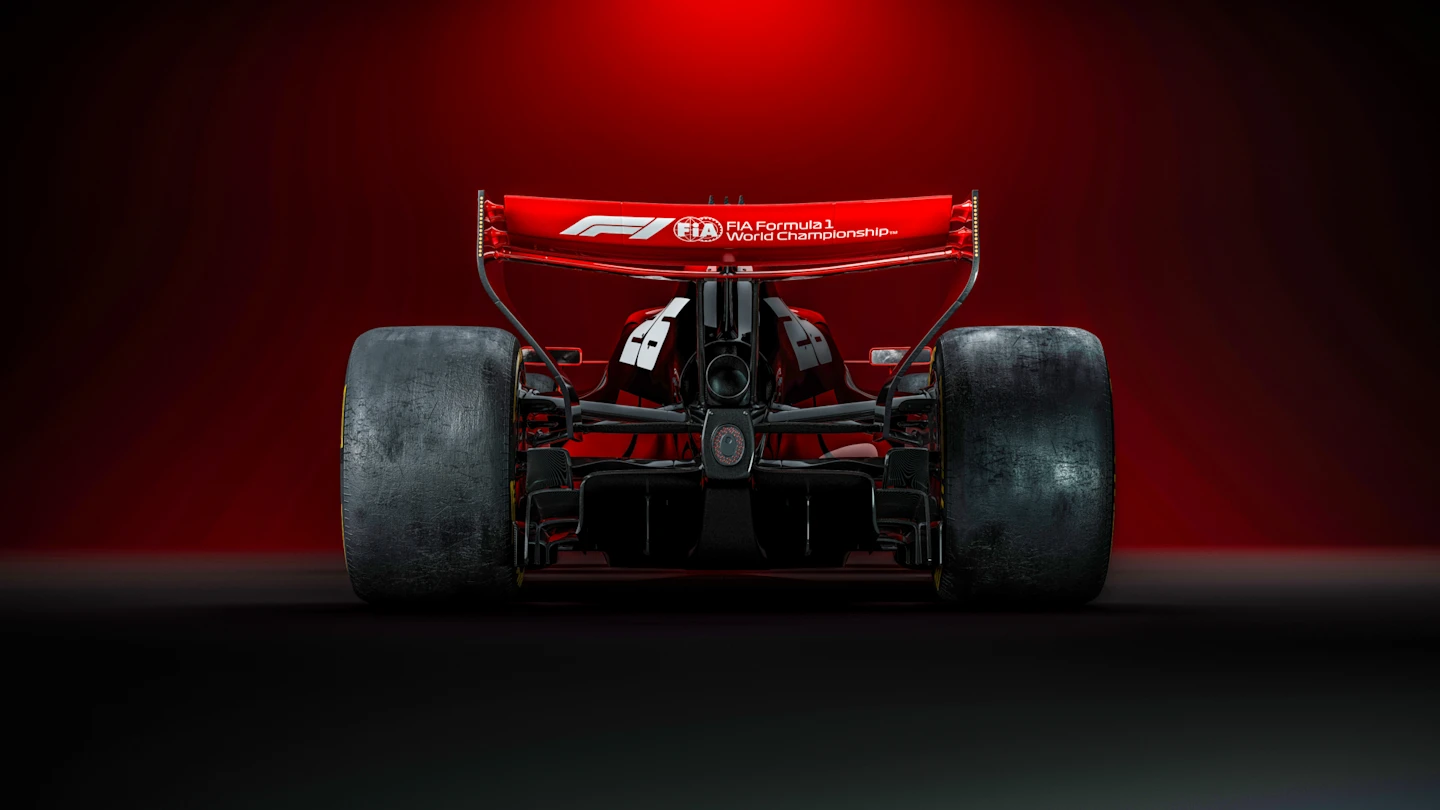
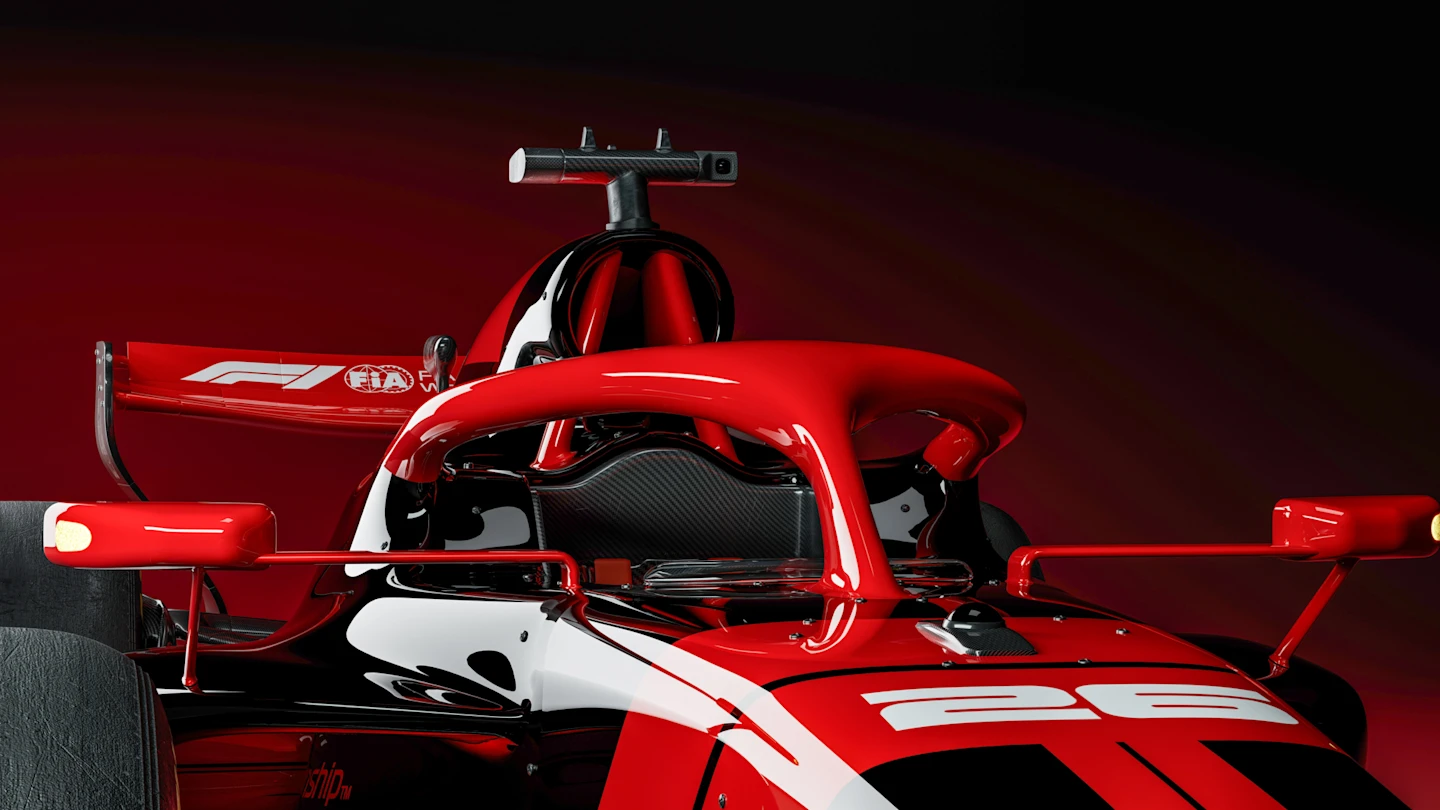
The 2026 regulations rewrote the rulebook. The cars are fundamentally different from what came before.
For the first time in modern F1, the cars have movable front and rear wings that switch between two modes. This replaces DRS (Drag Reduction System), which was used since 2011.
Wings angled for maximum grip. Used in corners. The car sticks to the road like glue, so drivers can carry more speed through turns.
Wings flatten out to cut through the air on straights. Available to ALL drivers. Unlike old DRS, you don't need to be chasing someone to use it.
Overtake Mode: On top of active aero, drivers within 1 second of the car ahead can activate a special electrical boost, an extra 67 horsepower from the battery. The defending driver can fire back with their own "Boost Mode." It's attack and defense in a way DRS never was.
F1 cars use a 1.6-liter turbocharged V6 hybrid engine producing over 1,000 horsepower. For 2026, the split is roughly 50% combustion / 50% electric, up from 80/20 previously. The electric motor (MGU-K) nearly tripled in power from 120 kW to 350 kW.
And here's the cool part: every drop of fuel is 100% sustainable. Made from carbon capture, municipal waste, or non-food biomass. Not a drop of crude oil. F1 aims to be net-zero carbon by 2030.
Five companies build engines for all 11 teams. Each supplies engines to their own team and customer teams. It's an arms race where hundredths of a second matter.
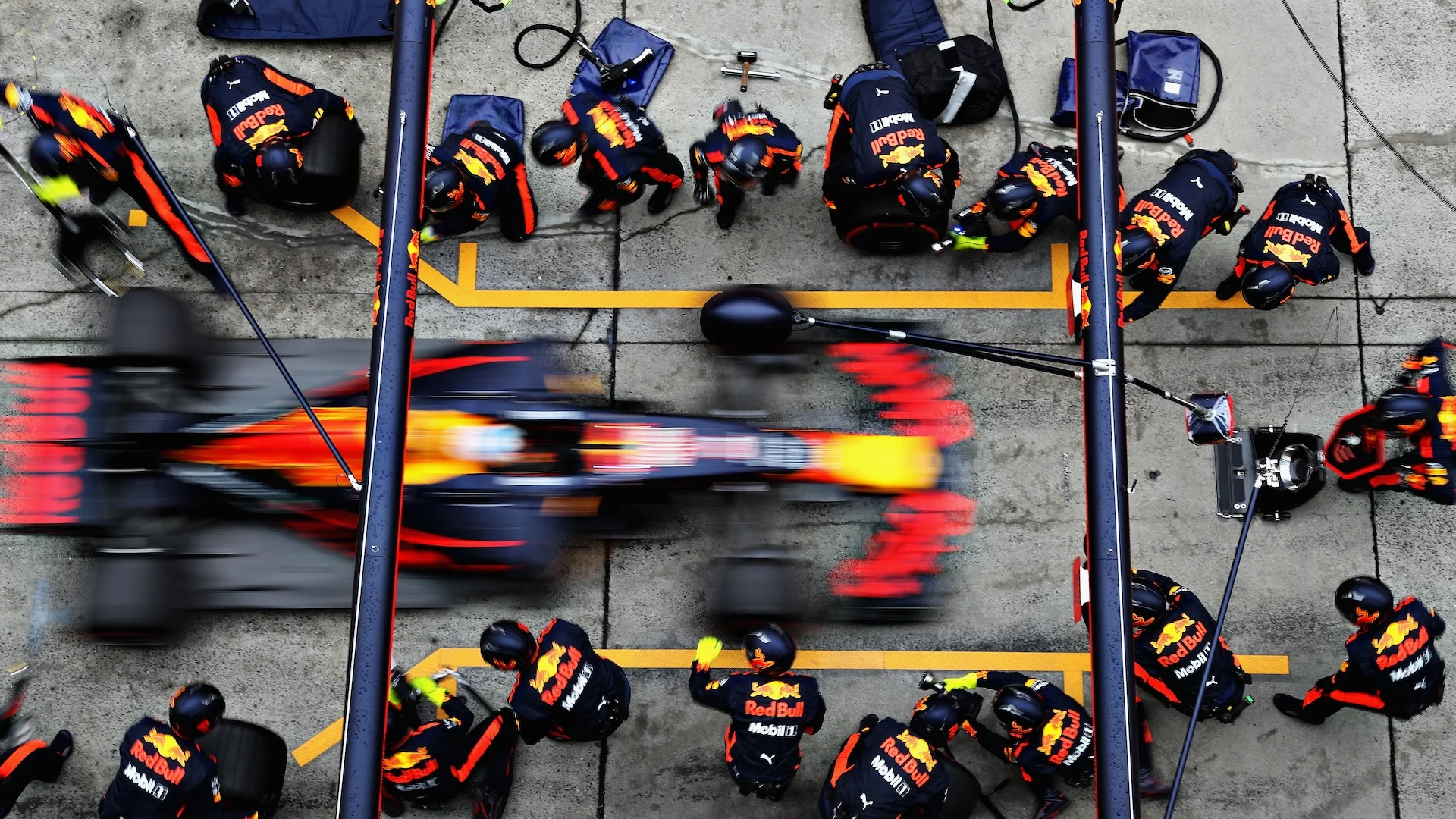
Twenty people, four tyres, and the calls that win races. This is where Sundays are decided.
While the car is stationary for under 2 seconds, the total time lost to pitting is around 20–25 seconds per stop (driving through the pit lane at the speed limit, stopping, and rejoining). So when you pit matters enormously. Pit one lap too early or late and it can cost you a race win.
Every driver must use at least two different tyre compounds during a dry race, meaning at least one pit stop is mandatory. Some strategies call for two or even three stops. It all depends on tyre wear, track conditions, and what your rivals are doing.
Tyres sound boring until you watch a race won or lost by a single pit stop. Tyre strategy decides more races than raw speed does. Pirelli, the sole tyre supplier, makes five dry compounds ranging from ultra-grippy but fragile to durable but slow.
At each race, Pirelli selects three compounds and labels them simply:
Here's why it matters: soft tyres are faster but die quicker. A driver on fresh softs can be 1–2 seconds per lap faster than someone on worn hards. But those softs might only last 15 laps before the grip falls off a cliff, while hards can go 40+ laps.
This creates a puzzle. Do you start on softs, blast into the lead, and pit early? Or start on hards, run long, and hope to leap-frog rivals when they pit? Teams run thousands of simulations before each race to optimize their strategy, but weather, safety cars, and rivals' decisions can throw everything out the window.
What's an "undercut"? Pitting before your rival to get fresh, faster tyres. You do a blazing out-lap on new rubber while they're still on worn tyres. If the pace difference is big enough, you emerge ahead after they pit. You'll find yourself screaming at the timing screens.
22 drivers who got here by being faster than everyone else.
Unlike most sports where athletes are distant figures, F1 gives you live team radio during every race. You hear drivers curse, celebrate, and argue strategy at 200 mph. It's unfiltered, and it regularly produces moments you'll want to rewatch immediately.
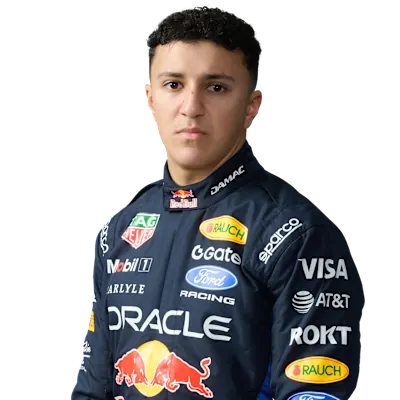
The 2026 season flipped the script. After a three-way 2025 title fight between McLaren and Red Bull, it's Mercedes who arrived flying — and a young Italian who's leading the whole thing.
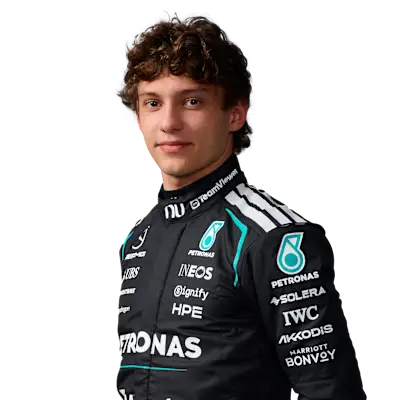
Kimi Antonelli is the story of the year. In only his second season, the Mercedes driver has turned into the championship leader, winning five of the opening rounds and heading a Mercedes one-two. The hype was enormous when he arrived; he's outrunning all of it.
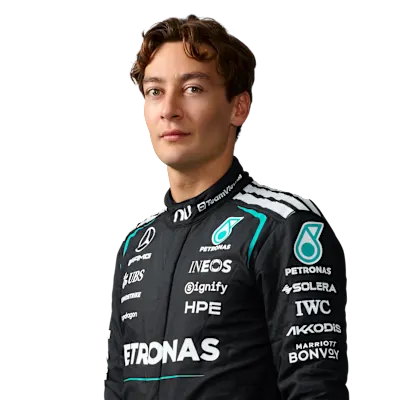
George Russell anchors the resurgent Mercedes alongside Antonelli, with wins already this season and a car that looks like the class of the field. He's the experienced head in the title fight.
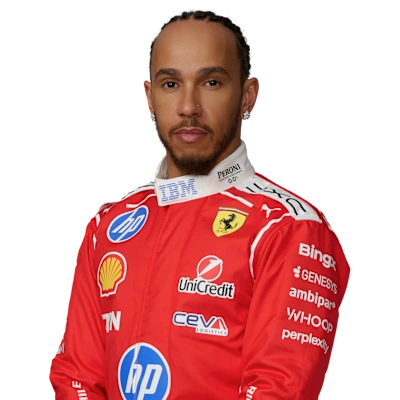
Lewis Hamilton has 7 championships (tied with Michael Schumacher) and more wins than anyone in history. Year two at Ferrari is clicking: his breakthrough win in red has him third in the standings and rebuilding momentum after a rocky first season with the team.
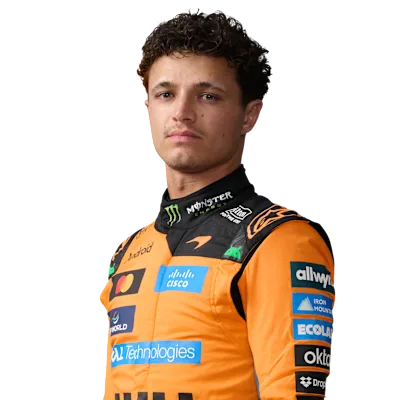
Lando Norris wears the #1 as the reigning 2025 World Champion, but the title defense has been a grind — McLaren slipped behind Mercedes and Ferrari early, and the fight is as much with his own teammate as with the front. Still charismatic, quick-witted, and a Twitch streamer with a massive following.
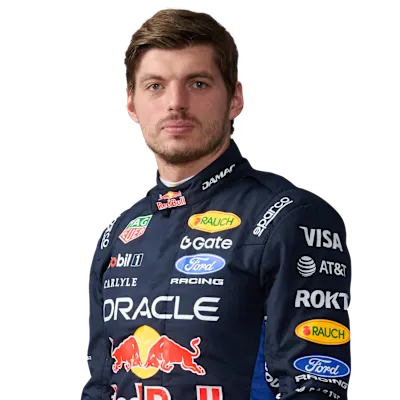
Max Verstappen is a four-time champion (2021–2024) and still ferociously fast, but Red Bull have dropped off the ultimate pace, and podiums have been harder to come by. Never, ever count him out.
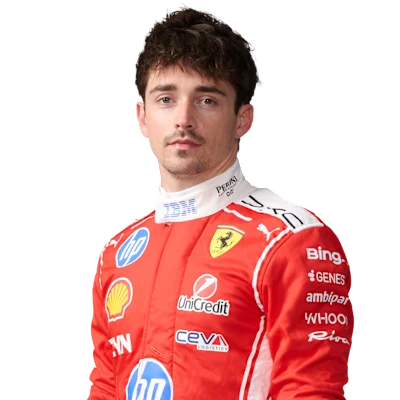
Charles Leclerc is Ferrari's homegrown star who grew up in Monaco and plays concert piano in his spare time. Brilliant on his day, and right in the mix as Ferrari climb back toward the front.
F1 is a team sport. The driver's the closer. Behind them: hundreds of engineers, designers, and strategists.
Think of F1 teams like tech companies. The best teams produce the best technology faster than the competition. They invest in next year's car early, make clever bets on design, and hire the best engineers in the world. Then they hand the keys to their drivers and hope they bring the magic on race day.
This season, Cadillac joined as the 11th team, the first new team since 2016, backed by General Motors. That means 22 cars on the grid instead of 20.
Budget Cap: Since 2021, F1 has a cost cap of $215 million per season (excluding driver salaries, top executive pay, and marketing). Before the cap, the richest teams spent $400–500 million while smaller teams had $125 million. Now smarter spending matters more than pure wealth.
Standings, the title picture, and how the year is unfolding.
Two championships run in parallel all year — one for drivers, one for constructors — and this is where you can see exactly how they stand. The tables update through the season as results come in.
The big surprise of 2026 is Mercedes. After a couple of quieter years, they arrived from the winter with the fastest car and have led both championships from the front, with Kimi Antonelli and George Russell trading wins at the top of the order.
Behind them, Ferrari have climbed back into the fight — Lewis Hamilton's first win in red was a genuine milestone — while McLaren, who took the title fight to the wire in 2025, and Red Bull have spent the first half of the year chasing rather than setting the pace. There is still a long way to go.
Want the detail? The full standings and the race calendar have every position and result, updated through the season.
The tracks every fan should know, then every round of the season.
F1 races on permanent circuits, city streets, and everything in between. Here are the ones every fan should know:
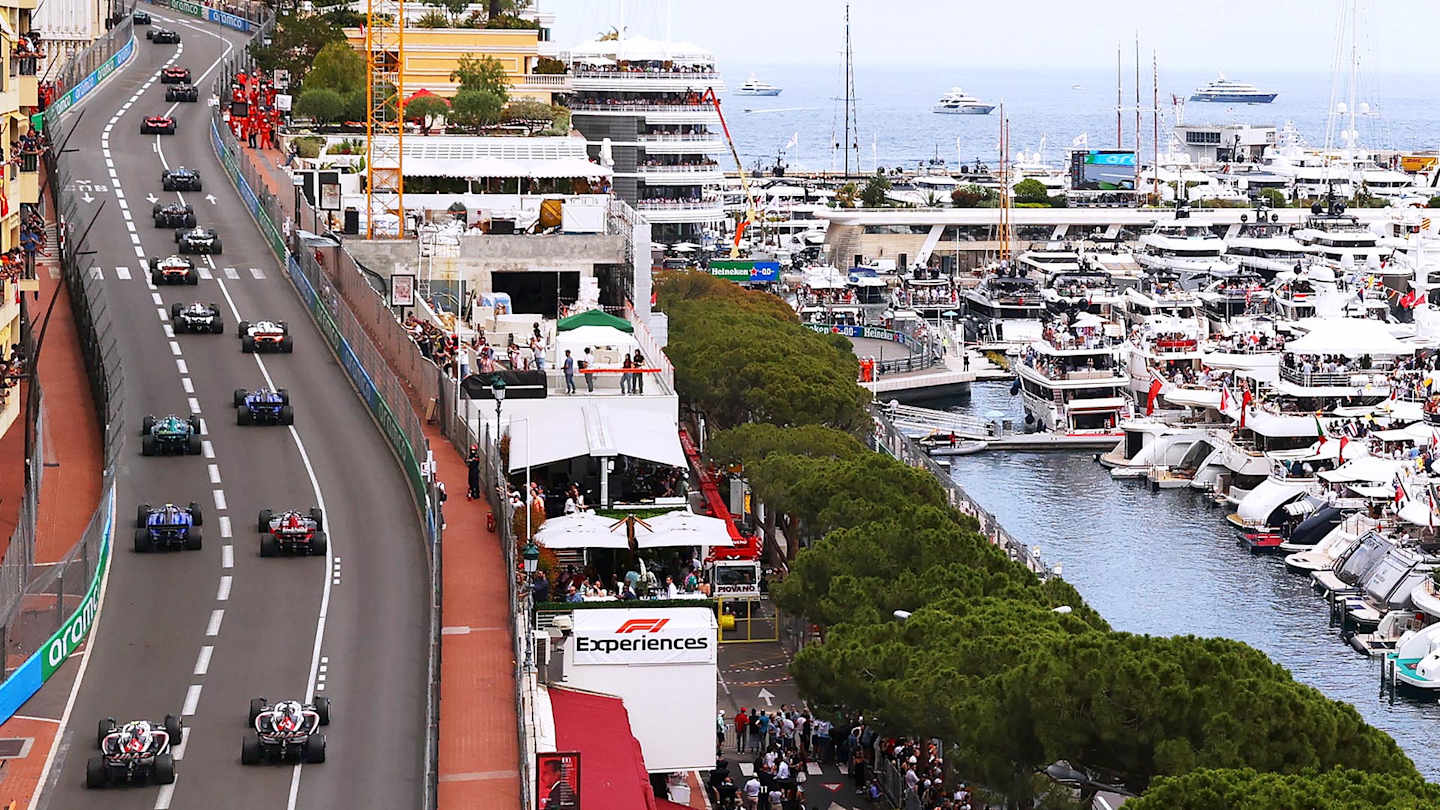
The one everyone knows. Cars race through the narrow streets of Monte Carlo, past luxury yachts and the famous Casino. Overtaking is nearly impossible, so qualifying is everything.
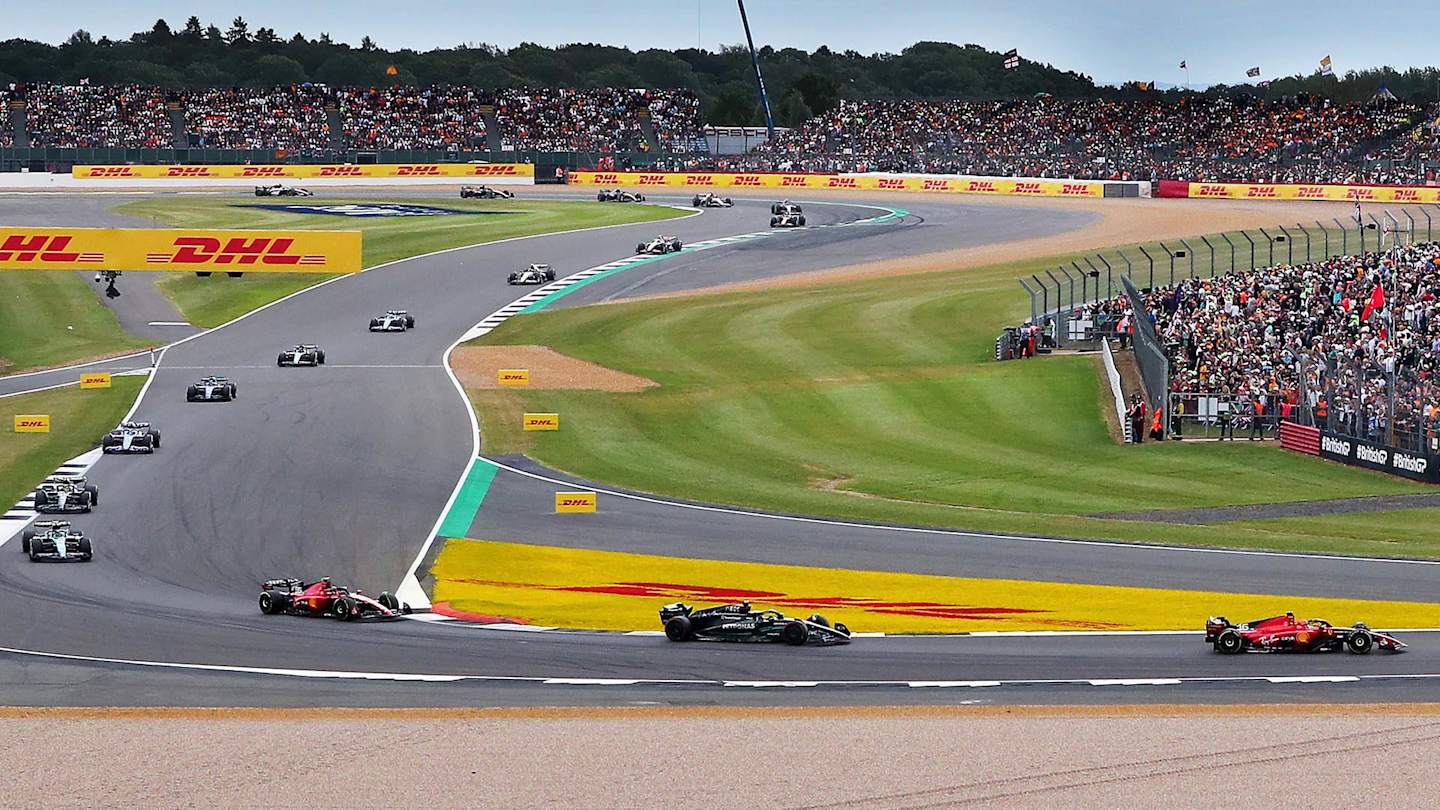
Where it all started: the first World Championship race in 1950. Maggotts-Becketts-Chapel are some of the best corners in racing. The British fans will cheer in the rain for three hours straight.
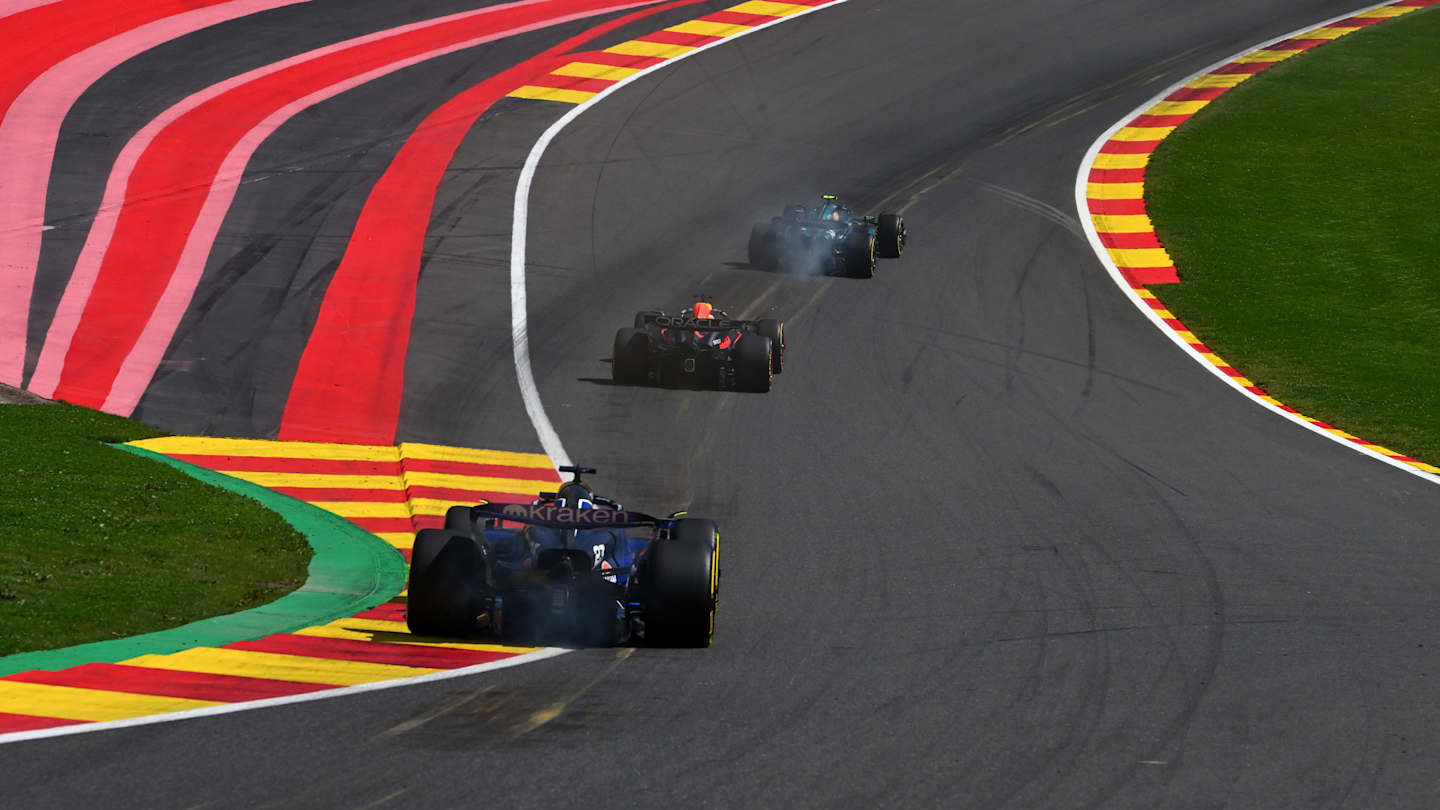
Belgium's famous circuit through the Ardennes forest. Eau Rouge / Raidillon is a terrifying uphill corner complex taken at 180+ mph. The weather can be dry on one side and raining on the other.
The "Temple of Speed." The fastest circuit on the calendar and Ferrari's home turf. After the race, the Tifosi storm the track in a tide of red. Absolute pandemonium.
Japan's figure-eight circuit. Half of all drivers call it their favorite. The esses and 130R separate good drivers from great ones. Japanese fans bring hand-drawn artwork of drivers' helmets.
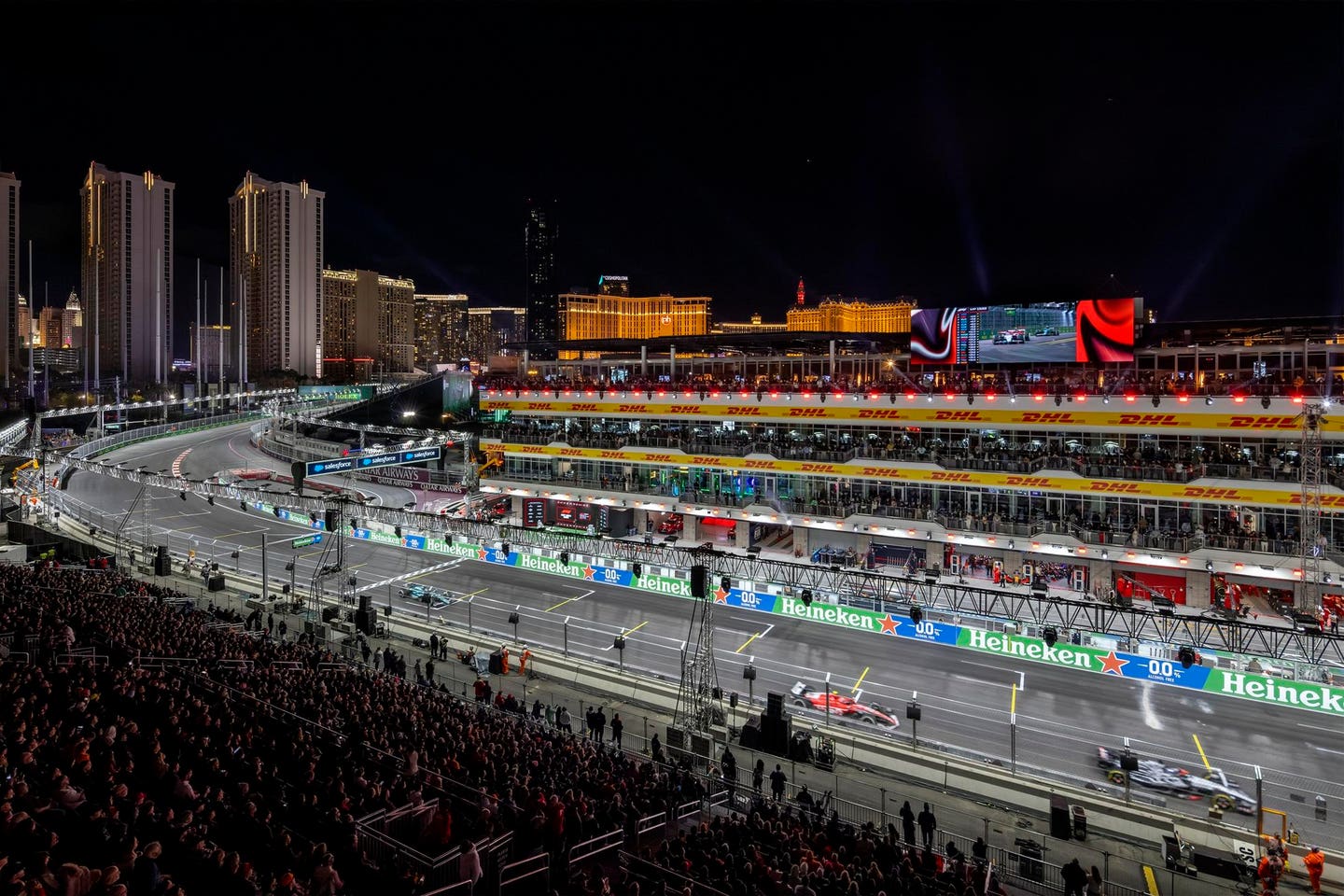
New for 2026: Madrid joins the calendar as a brand-new street circuit. The U.S. now has three races (Miami, Austin, Las Vegas), which tells you everything about how fast F1 has grown in America.
The recent seasons, the great rivalries, and why people never leave.
A pandemic-shortened season saw Hamilton equal Michael Schumacher's record of 7 World Championships. Pierre Gasly won at Monza for AlphaTauri just a year after being demoted from Red Bull. Nobody saw it coming.
Hamilton vs. Verstappen. The entire 22-race season came down to the final lap. They arrived at Abu Dhabi level on points. A controversial Safety Car decision allowed Verstappen to overtake Hamilton on the final lap to steal the title. The race director was removed. People are still arguing about it. Along the way: a 51G crash at Silverstone, a car literally on top of another at Monza (saved by the Halo), and a Brazilian Grand Prix comeback that has to be seen to be believed.
Major regulation changes introduced ground-effect aerodynamics. Ferrari led early but collapsed through strategy blunders and reliability failures. "Ferrari strategists" became a meme. Verstappen won 15 of 22 races.
Verstappen won 19 of 22 races. Red Bull won 21 of 22. Only Carlos Sainz's Singapore win broke their streak. It was the most dominant season anyone had ever seen. Impressive, but also kind of boring if you weren't a Red Bull fan.
McLaren's resurgence saw Norris and Piastri become genuine title contenders. McLaren won its first Constructors' title in 26 years. Hamilton won at Silverstone, his first win in over two years, with tears on the podium. Leclerc finally won at Monaco. Then the bombshell: Hamilton announced his move to Ferrari. Adrian Newey, the most successful car designer in F1 history, left Red Bull for Aston Martin.
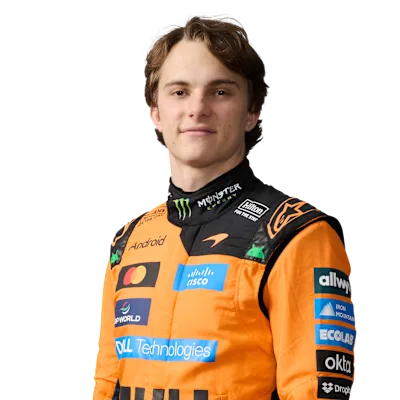
A three-way title fight went to the final race. Norris, Verstappen, and Piastri all had a shot. Lando Norris won his first World Championship at Abu Dhabi. Hamilton's first year at Ferrari was rocky, often outpaced by Leclerc.
Netflix's Drive to Survive (2019–present) probably did more for F1's popularity than anything since color television. U.S. viewership jumped 54%. Over half of current F1 fans say the show played a role in getting them into the sport. It turned F1 from a niche European thing into something your coworkers talk about on Monday mornings.
The show turned drivers from faceless helmets into actual people you could root for (or against). If you haven't seen it, start there.
Senna vs. Prost (1988–1993) — The one that defined an era. The passionate Brazilian vs. the calculated Frenchman. They deliberately crashed into each other at Suzuka in consecutive years. Senna's death in 1994 turned it into something bigger than sport.
Hamilton vs. Rosberg (2013–2016) — Childhood karting friends who became bitter enemies as Mercedes teammates. Rosberg won the 2016 title by 5 points, then retired five days later. He walked away at the absolute peak.
Hamilton vs. Verstappen (2021) — The seven-time champion vs. the fearless young challenger. They collided at Silverstone (51G crash), Monza (car on top of car, saved by the Halo), and battled at Saudi Arabia. It went to the final lap of the final race. Still debated to this day.
You hear drivers talk to their engineers over the radio during every race. It's unfiltered, and frequently hilarious:
Kimi Räikkönen: "Leave me alone, I know what I'm doing." (He won the race.)
Fernando Alonso: "GP2 engine! GP2!" (Peak frustration with McLaren-Honda's terrible engine.)
Mark Webber: "Not bad for a number two driver." (After Red Bull gave his teammate preferential treatment, then he won anyway.)
Seventy-five years of drivers and constructors who reached the very top.
The stuff everyone asks when they're starting out.
Most races take about 90 minutes. A Grand Prix is run over a set distance of roughly 305 km (190 miles) rather than a fixed time, so the number of laps varies by circuit — the Monaco Grand Prix is 78 laps while Spa is 44. There's a hard two-hour limit if the distance hasn't been completed, and safety cars or red flags can push a long race close to it.
The 2026 calendar originally had 24 rounds, but the Bahrain and Saudi Arabian Grands Prix were canceled, bringing the total to 22 races. The season runs from March to December, spanning five continents. It's a grueling schedule for teams who have to ship equipment around the world every couple of weeks.
A sprint is a short Saturday race — roughly 100 km (about 30 minutes) with no mandatory pit stops — held at 6 events in 2026, with the top 8 finishers scoring points (8-7-6-5-4-3-2-1). It runs on a reshuffled weekend schedule. See Race Weekend for the full breakdown.
Rain is one of the most exciting things that can happen in F1. Teams switch to intermediate tyres (light rain) or full wet tyres (heavy rain), which have deeper grooves to clear standing water. If conditions are too dangerous, race control can deploy the safety car or even red-flag the race, stopping all cars until it's safe to continue. Rain scrambles the entire order and turns predictable races into chaos.
F1 cars can reach top speeds of around 230 mph on long straights, though average speeds through a lap are typically 130–160 mph. The straight-line speed is wild, but the cornering is what really gets you. F1 cars generate so much downforce that they can take corners at speeds no road car could survive. The 2026 cars use active aerodynamics that adjust between low-drag (straights) and high-downforce (corners) modes.
Starting in 2026, Apple TV is the exclusive U.S. home of Formula 1, covering every practice, qualifying, sprint, and race. It replaces the previous ESPN arrangement. See How to watch for the full rundown of where to follow the sport.
The cost cap limits performance-related spending to roughly $215 million per team for 2026 — driver salaries, top executive pay, and marketing are excluded. The FIA audits the books, and teams that go over face fines or points deductions. See The Teams for why it matters so much.
Now you have the basics. Here's how to go deeper.
Starting 2026, Apple TV is the exclusive U.S. broadcaster. 4K Dolby Vision, onboard cameras for every car, live team radio, and Multiview. Some sessions are free.
Where to Watch →Netflix's behind-the-scenes docuseries, and the reason millions of people got into F1. Start with Season 1. You'll be hooked by episode 3.
Netflix →Some of the best ways to learn how F1 actually works. Pick a channel and fall down the rabbit hole.
Great for your commute. Interviews, expert breakdowns, and casual fan chat.
EA Sports' official F1 game. Time trial each track before the real race weekend to learn the circuits. Trust us, it transforms how you watch.
Gaming →Free to play. Build a team of five drivers and two constructors with a $100M virtual budget. Score points from real race results. The fastest way to care about every position.
Free →Free download. Live timing during sessions, race results, standings, news, and push notifications. Your pocket pit wall.
Download →Best first races: Austin (great for newcomers), Montreal (the crowd goes hard), Melbourne (party atmosphere), Silverstone (British fans are a force of nature). Bring earplugs.
Experience →@F1 on everything. Norris streams on Twitch, Leclerc posts piano covers. F1 TikTok is genuinely good.
Follow →Watch qualifying a few times. Saturday qualifying teaches you more about F1 faster than anything else. You'll learn the tracks, the competitive order, and the drama of thousandths of a second.
Listen to the commentators. They're excellent at explaining what's happening and welcoming new viewers. They get properly excited, which makes everything more fun.
Pick a driver. It doesn't matter who or why. Maybe you like their personality, their helmet design, or their nationality. Having someone to root for makes it ten times better.
Don't worry about understanding everything immediately. You can enjoy F1 on the surface (fast cars go vroom) and then gradually discover the strategy, engineering, and politics underneath. Every season you'll understand more, and it'll get more rewarding.